tarihinde yayınlandı Yorum yapın

Mastering advanced techniques for maximizing your casino game strategy

Mastering advanced techniques for maximizing your casino game strategy

Understanding the Difference Between Online and Land-Based Casinos

When it comes to refining your casino game strategy, it’s crucial to grasp the distinctions between online and land-based casinos. Online casinos offer the convenience of playing from anywhere, allowing for a more relaxed approach to strategy. Players can analyze their moves, consult guides, or even engage in practice games without the pressure of a live environment. This flexibility can lead to more calculated decisions. Moreover, exploring a new sweeps cash casino can offer additional advantages that online gaming provides, ultimately enhancing your gaming experience.

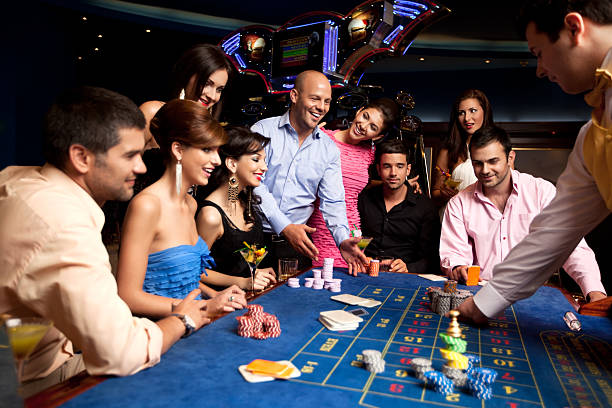
Conversely, land-based casinos provide a dynamic atmosphere filled with sensory stimulation. The sounds, sights, and social interactions can significantly impact your gaming strategy. Understanding how to adapt your approach in these high-energy environments can be pivotal. Whether it’s reading the room or managing your emotions amid distractions, mastering both realms can elevate your overall gaming proficiency.

Advanced Betting Strategies

To truly excel in casino games, implementing advanced betting strategies is essential. Techniques such as the Martingale system, where players double their bets after a loss, can be effective in the short term but come with inherent risks. It’s important to understand the mechanics behind these strategies and apply them wisely, considering your bankroll and the game’s volatility.

Another sophisticated approach involves the Fibonacci sequence, which allows players to increase their bets in a calculated manner following losses. This method can help mitigate losses over time while providing a clear structure for betting. Being aware of these strategies can give players a significant edge when executed properly, especially in high-stakes situations.

Bankroll Management Techniques

Effective bankroll management is one of the cornerstones of successful gambling. Establishing a budget and sticking to it can mean the difference between a thrilling night out and a regrettable experience. Players should determine how much they are willing to spend before entering the casino and avoid chasing losses by deviating from this plan.

Utilizing techniques such as setting win and loss limits can further safeguard your bankroll. For instance, deciding to walk away after a certain profit or loss helps maintain control over emotional decisions that often lead to bigger losses. Mastering bankroll management can significantly enhance your longevity in the casino while ensuring a more enjoyable experience overall.

Psychological Aspects of Casino Gaming

The psychological elements of gambling are often overlooked, yet they play a vital role in strategy development. Understanding the mental triggers that lead to impulsive decisions can help players maintain a clear mindset. Techniques such as mindfulness and emotional regulation can assist players in making rational choices, especially during high-pressure situations.

Moreover, recognizing the influence of the environment on your psychological state is crucial. The ambiance of a casino can affect emotions and decision-making. By mastering your mental game and developing strategies to combat stress and anxiety, you’ll be better equipped to face the unpredictability of games and emerge victorious.

Exploring Resources for Further Learning

For those looking to deepen their understanding of casino strategies, numerous resources are available. Websites dedicated to gambling strategies often provide insightful articles, tutorials, and community forums where players share experiences and advice. Engaging with these platforms can help you stay updated on the latest techniques and trends in the gaming world.

Additionally, taking advantage of online courses or webinars can provide structured learning paths for mastering advanced casino strategies. These resources can offer valuable insights that are easily overlooked in casual gaming settings, enabling players to refine their approach and enhance their overall performance.

tarihinde yayınlandı Yorum yapın

Juegos de azar ¿Mejor en línea o en un casino físico

Juegos de azar ¿Mejor en línea o en un casino físico

Ventajas de los casinos en línea

Los casinos en línea han ganado popularidad en los últimos años debido a su conveniencia y accesibilidad. Los jugadores pueden disfrutar de una amplia variedad de juegos desde la comodidad de su hogar, donde también pueden optar por un casino online que les ofrezca múltiples opciones, sin necesidad de desplazarse a un establecimiento físico. Esta flexibilidad es ideal para aquellos que tienen horarios ocupados o que viven lejos de un casino tradicional.

Además, los casinos en línea suelen ofrecer promociones y bonificaciones atractivas que pueden aumentar las posibilidades de ganar. Estas ofertas, que incluyen giros gratis y bonos de bienvenida, son menos comunes en los casinos físicos, lo que añade un atractivo adicional para los jugadores en línea.

Beneficios de los casinos físicos

Por otro lado, los casinos físicos brindan una experiencia de juego única que no se puede replicar en línea. La atmósfera vibrante, la interacción social con otros jugadores y el personal del casino crean un ambiente emocionante y envolvente. Muchos jugadores prefieren la adrenalina de jugar en un entorno real, donde pueden disfrutar de la música, las luces y la energía del lugar.

Además, los casinos físicos permiten a los jugadores tocar y manipular las máquinas, lo que puede resultar más satisfactorio para algunos. La posibilidad de conocer a otros apostadores y participar en juegos en vivo también es un aspecto que muchos consideran crucial para una experiencia de juego completa.

Seguridad y regulación

La seguridad es un factor primordial tanto en los casinos en línea como en los físicos. Los casinos en línea deben cumplir con rigurosas regulaciones y estándares de seguridad para garantizar que los datos personales y financieros de los jugadores estén protegidos. Las licencias de juego y la tecnología de encriptación son esenciales para asegurar un entorno de juego seguro.

En contraste, los casinos físicos están sujetos a regulaciones estatales y locales que garantizan su legalidad y la protección de los jugadores. Sin embargo, la transparencia en las operaciones puede variar de un lugar a otro. Por lo tanto, es fundamental que los jugadores se informen sobre la reputación y la legalidad del establecimiento antes de realizar cualquier apuesta.

La experiencia del usuario

La experiencia del usuario en los casinos en línea está diseñada para ser intuitiva y accesible. Los jugadores pueden navegar fácilmente por diferentes juegos y categorías, además de disfrutar de opciones de pago rápidas y eficientes. Las plataformas también suelen ofrecer soporte al cliente en tiempo real, lo que facilita la resolución de problemas.

En comparación, la experiencia en un casino físico puede ser menos personalizable. Aunque la atención al cliente es importante, la interacción puede depender de la disponibilidad del personal. Sin embargo, muchos jugadores valoran la atención personalizada que pueden recibir en un entorno físico, lo que les permite disfrutar de una atención directa.

Conclusión sobre la elección entre en línea y físico

Decidir entre jugar en un casino en línea o en uno físico depende de las preferencias personales de cada jugador. Ambos tipos de casinos ofrecen experiencias únicas y ventajas específicas que pueden atraer a diferentes públicos. Mientras que los casinos en línea son ideales para quienes buscan comodidad y promociones atractivas, los casinos físicos son perfectos para aquellos que valoran la interacción social y la atmósfera del juego.

Para aquellos que buscan información sobre los mejores casinos en línea en España, es recomendable consultar guías y reseñas que analicen la seguridad, variedad de juegos y atención al cliente. Con la información adecuada, los jugadores pueden elegir la opción que mejor se adapte a sus necesidades y disfrutar de una experiencia de juego segura y entretenida.

tarihinde yayınlandı Yorum yapın

Les enjeux du jeu un aperçu complet du monde du pari

Les enjeux du jeu un aperçu complet du monde du pari

Introduction au monde des jeux d’argent

Le monde des jeux d’argent est vaste et varié, attirant des millions de personnes à travers le globe. Que ce soit par le biais des casinos traditionnels, des paris sportifs ou des plateformes de jeux en ligne, l’excitation et l’adrénaline jouent un rôle central dans l’expérience des parieurs. Cependant, il est essentiel de comprendre les enjeux qui entourent cette industrie florissante pour naviguer en toute sécurité dans cet univers. Dans cette exploration, vous pouvez découvrir un site de casino en ligne belge, qui vous aidera à choisir judicieusement vos options de jeu.

Les enjeux ne se limitent pas seulement aux gains financiers, mais englobent également des aspects psychologiques, sociaux et légaux. Les parieurs doivent être conscients des risques associés au jeu, tels que la dépendance et les problèmes financiers, tout en explorant les aspects positifs de cette forme de divertissement.

Les mythes courants autour des paris

Dans le monde du jeu, de nombreux mythes circulent, souvent alimentés par des idées fausses et des stéréotypes. Par exemple, il est courant de croire que certaines stratégies peuvent garantir des gains, alors qu’en réalité, le jeu repose principalement sur le hasard. Ce mythe peut inciter des individus à prendre des risques excessifs, croyant qu’ils ont un contrôle sur le résultat des jeux.

Un autre mythe répandu est l’idée que le jeu est une activité exclusivement réservée aux hommes. Cependant, de plus en plus de femmes participent également à des activités de pari, prouvant que le jeu transcende les genres et les âges. Déconstruire ces mythes est essentiel pour une meilleure compréhension et une approche saine des jeux d’argent.

Les impacts sociaux et économiques des jeux d’argent

Les jeux d’argent ont des répercussions significatives sur les sociétés et les économies. Ils peuvent générer d’importantes recettes fiscales pour les gouvernements, permettant ainsi de financer divers programmes sociaux. Toutefois, ils peuvent également créer des problèmes sociaux, notamment la dépendance au jeu et les difficultés économiques pour certaines familles.

Il est crucial de trouver un équilibre entre les bénéfices économiques et les préoccupations sociales. De nombreuses réglementations sont mises en place pour minimiser les effets négatifs, comme des campagnes de sensibilisation et des programmes d’aide pour ceux qui souffrent de problèmes liés au jeu.

Les réglementations et la sécurité dans le secteur

Avec l’essor des jeux en ligne, les réglementations deviennent de plus en plus importantes pour protéger les consommateurs. Les gouvernements mettent en œuvre des lois strictes afin de garantir que les opérateurs de jeux respectent des normes élevées en matière de sécurité et de transparence. Cela inclut la vérification des licences, des audits réguliers et des mesures de protection des données personnelles.

Les joueurs doivent toujours rechercher des plateformes de jeu légalement reconnues, qui offrent des garanties en matière de sécurité. Cela leur permet de jouer en toute confiance, sachant que leurs informations sont protégées et que les jeux sont justes.

Découvrir les casinos en ligne belges

Pour ceux qui souhaitent explorer le monde des jeux d’argent de manière sécurisée, notre site vous guide à travers les meilleures options de casinos en ligne en Belgique. Nous avons établi un classement des plateformes les plus fiables, basées sur des critères tels que la sécurité, la diversité des jeux et les promotions attractives.

Notre objectif est de vous offrir une expérience de jeu optimale, en vous fournissant des recommandations judicieuses et en vous aidant à naviguer dans le paysage des jeux en ligne. Que vous soyez un novice ou un joueur expérimenté, notre plateforme est conçue pour vous assurer un divertissement légal et enrichissant.

tarihinde yayınlandı Yorum yapın

Unraveling the fascinating evolution of gambling throughout history

Unraveling the fascinating evolution of gambling throughout history

The Origins of Gambling

The history of gambling dates back thousands of years, with evidence found in ancient civilizations such as Mesopotamia, China, and Rome. Archaeological findings suggest that games of chance were played with rudimentary items like knucklebones, stones, and dice as early as 3000 BC. These early forms of gambling served both recreational and social purposes, allowing communities to bond over shared experiences while also engaging in the thrill of chance. Many people now enjoy trying their luck at an online casino as part of that tradition.

In ancient China, around 2000 BC, the earliest known lottery was established, which was used to fund state projects, illustrating how gambling has long been intertwined with economic activities. Meanwhile, in Rome, emperors utilized games and betting as tools for social control and entertainment, showcasing the dual role gambling played in society — as a source of amusement and as a reflection of social hierarchies.

The Evolution Through the Ages

As time progressed, gambling transformed alongside societal changes. The Middle Ages witnessed the rise of card games, which gained immense popularity across Europe. With the introduction of playing cards from Asia to Europe, various forms of gambling began to take shape, leading to the development of iconic games such as poker and blackjack. This era also saw the establishment of the first gambling houses and betting establishments, marking a significant shift from informal games to organized gambling.

By the Renaissance, gambling had become a notable pastime among the elite, and it began to be regulated by governments. Countries such as Italy and France saw the birth of modern casinos, which offered a range of games to cater to the growing demand. This period not only solidified gambling’s status as a popular entertainment form but also highlighted its economic potential through taxation and regulation.

The Impact of Technology on Gambling

The advent of technology in the 19th and 20th centuries brought about a revolution in gambling practices. The invention of the slot machine in the late 1800s changed the landscape by introducing a new, accessible form of gaming that could be enjoyed by a broader audience. This innovation marked the transition from skill-based games to luck-driven machines, making gambling more appealing to the masses.

The digital age further accelerated this evolution. The introduction of online casinos in the late 1990s allowed individuals to gamble from the comfort of their homes, breaking geographical barriers and creating a global gambling community. Mobile technology has since transformed the way people engage with gambling, making it convenient and accessible anywhere, anytime, and leading to an increase in gambling participation among various demographics.

Modern Gambling and Its Regulations

Today, gambling is a multi-billion-dollar industry that encompasses casinos, sports betting, online gaming, and lotteries. With its rapid growth, regulatory frameworks have been established globally to ensure fair play, protect consumers, and address potential addiction issues. Governments are increasingly involved in monitoring and regulating gambling practices, creating a balance between allowing recreational activities and safeguarding public welfare.

Additionally, societal attitudes toward gambling have shifted, with many recognizing it as a form of entertainment rather than a vice. Campaigns promoting responsible gambling are now prevalent, aimed at educating players about risks and encouraging safe practices. This evolution in perception reflects a broader understanding of gambling’s place in society today.

Gambling’s Future and Online Presence

As we look toward the future, the evolution of gambling continues to unfold, particularly in the realm of technology and online presence. With advancements in virtual reality and blockchain technology, new gambling experiences are emerging, promising immersive environments and enhanced security for players. Online platforms are continuously innovating, introducing interactive features that engage users in ways traditional casinos cannot.

At the same time, websites dedicated to gambling are playing a crucial role in providing valuable resources, guides, and community discussions. These platforms not only facilitate gaming but also serve as hubs for education and responsible gambling practices, ensuring that players are informed and empowered. The future of gambling lies in striking a balance between innovation, entertainment, and responsible engagement, reflecting its complex evolution throughout history.

tarihinde yayınlandı Yorum yapın

Popüler kumar oyunları hakkında bilinmesi gerekenler

Popüler kumar oyunları hakkında bilinmesi gerekenler

Kumar oyunlarının tarihi

Kumar oyunları, tarih boyunca insanlıkla birlikte var olmuş bir eğlence şeklidir. İlk örnekleri, M.Ö. 3000’li yıllara kadar uzanmakta olup, Antik Çin ve Roma’da çeşitli oyunlarla şekillenmiştir. Oyunların amacı genellikle şans ve beceriyi birleştirerek mostbet giriş ile para kazanmak olmuştur.

Zamanla kumar oyunları, farklı kültürlerde çeşitli formlara bürünmüştür. Özellikle Avrupa’da, 17. yüzyıldan itibaren kumarhaneler ve oyun salonları yaygınlaşmış, bu durum kumar oyunlarının daha düzenli bir yapıya kavuşmasına yol açmıştır.

Popüler kumar oyunları

Günümüzde en çok bilinen kumar oyunları arasında poker, blackjack, rulet ve slot makineleri yer almaktadır. Her bir oyunun kendine özgü kuralları ve stratejileri bulunmakta, bu da oyunculara farklı deneyimler sunmaktadır. Örneğin, mostbet poker oyuncular arası stratejiye dayanan bir oyundur ve bluff yapma becerisi burada önem kazanır.

Blackjack ise, oyuncunun 21’e en yakın sayıyı elde etmeye çalıştığı bir oyundur. Rulet, şans unsurlarının öne çıktığı bir oyun olarak, tekerleğin döndürülmesi ile kazanılan sayılara göre sonuçlar belirlenir. Slot makineleri ise, basit yapıları ve hızlı oyun süreleri ile dikkat çekmektedir.

Kumar oyunları ile ilgili yaygın yanlış kanılar

Kumar oyunları hakkında birçok yanlış kanı mevcuttur. Bunlardan biri, tüm kumar oyunlarının tamamen şansa dayandığı inancıdır. Aslında, bazı oyunlar strateji ve beceri gerektirir. Özellikle poker gibi oyunlar, başarılı olabilmek için oyuncuların analiz yapabilme yeteneklerine dayanmaktadır.

Ayrıca, kumarhanelerin her zaman kazandığı yönündeki düşünce de yanlıştır. Uzun vadede kazançlar, kumarhaneler için avantaj sağlasa da, kısa vadede oyuncuların da kazanç elde edebilme şansı bulunmaktadır. Bu nedenle, oyuncuların kaybetme korkusuyla hareket etmeleri, oyun deneyimlerini olumsuz etkileyebilir.

Kumar oyunlarının psikolojik etkileri

Kumar oynamak, bazı oyuncular için büyük bir eğlence kaynağı olsa da, psikolojik etkileri göz ardı edilmemelidir. Kumar bağımlılığı, birçok kişi için ciddi bir sorun haline gelebilir. Bağımlı bireyler, kaybettikleri paraları geri kazanma umuduyla daha fazla oynamaya yönelirler. Bu döngü, finansal sorunlar ve kişisel ilişkilerde zorluklara yol açabilir.

Kumar oynarken dikkat edilmesi gereken en önemli noktalardan biri, kaybetmeyi göze alarak oynamaktır. Bu yaklaşım, oyuncuların daha sağlıklı bir deneyim yaşamasına yardımcı olabilir ve kayıpları karşılamaya yönelik duygusal tepkilerini azaltabilir.

Asyacard ile güvenli kumar deneyimi

Asyacard, kullanıcılarına güvenli ve kaliteli bir kumar deneyimi sunmayı amaçlayan bir platformdur. Kullanıcıların işlemlerini güvenli bir ortamda gerçekleştirmelerini sağlayarak, memnuniyetlerini ön planda tutmaktadır. Finansal işlemler, yüksek güvenlik standartları ile korunmakta ve kullanıcı dostu bir arayüz sunulmaktadır.

Platform, kullanıcıların ihtiyaçlarına yönelik çeşitli destek hizmetleri sunarak, oyun deneyimlerini daha keyifli hale getirmektedir. Asyacard ile güvenli kumar oynamak, hem eğlenceli hem de risksiz bir deneyim sağlar. Kullanıcıların, kendi sınırlarını bilerek oynamaları ve keyif alarak vakit geçirmeleri teşvik edilmektedir.

tarihinde yayınlandı Yorum yapın

Coronavirus disease 2019

Coronavirus disease 2019

COVID-19 is a contagious disease caused by the coronavirus SARS-CoV-2. In January 2020, the disease spread worldwide, resulting in the COVID-19 pandemic.

The symptoms of COVID‑19 can vary but often include fever,[7] fatigue, cough, breathing difficulties, loss of smell, and loss of taste.[8][9][10] Symptoms may begin one to fourteen days after exposure to the virus. At least a third of people who are infected do not develop noticeable symptoms.[11][12] Of those who develop symptoms noticeable enough to be classified as patients, most (81%) develop mild to moderate symptoms (up to mild pneumonia), while 14% develop severe symptoms (dyspnea, hypoxia, or more than 50% lung involvement on imaging), and 5% develop critical symptoms (respiratory failure, shock, or multiorgan dysfunction).[13] Older people have a higher risk of developing severe symptoms. Some complications result in death. Some people continue to experience a range of effects (long COVID) for months or years after infection, and damage to organs has been observed.[14] Multi-year studies on the long-term effects are ongoing.[15]

COVID‑19 transmission occurs when infectious particles are breathed in or come into contact with the eyes, nose, or mouth. The risk is highest when people are in close proximity, but small airborne particles containing the virus can remain suspended in the air and travel over longer distances, particularly indoors. Transmission can also occur when people touch their eyes, nose, or mouth after touching surfaces or objects that have been contaminated by the virus. People remain contagious for up to 20 days and can spread the virus even if they do not develop symptoms.[16]

Testing methods for COVID-19 to detect the virus’s nucleic acid include real-time reverse transcription polymerase chain reaction (RT‑PCR),[17][18] transcription-mediated amplification,[17][18][19] and reverse transcription loop-mediated isothermal amplification (RT‑LAMP)[17][18] from a nasopharyngeal swab.[20]

Several COVID-19 vaccines have been approved and distributed in various countries, many of which have initiated mass vaccination campaigns. Other preventive measures include physical or social distancing, quarantining, ventilation of indoor spaces, use of face masks or coverings in public, covering coughs and sneezes, hand washing, and keeping unwashed hands away from the face. While drugs have been developed to inhibit the virus, the primary treatment is still symptomatic, managing the disease through supportive care, isolation, and experimental measures.

tarihinde yayınlandı Yorum yapın

Coronavirus disease 2019

Coronavirus disease 2019

COVID-19 is a contagious disease caused by the coronavirus SARS-CoV-2. In January 2020, the disease spread worldwide, resulting in the COVID-19 pandemic.

The symptoms of COVID‑19 can vary but often include fever,[7] fatigue, cough, breathing difficulties, loss of smell, and loss of taste.[8][9][10] Symptoms may begin one to fourteen days after exposure to the virus. At least a third of people who are infected do not develop noticeable symptoms.[11][12] Of those who develop symptoms noticeable enough to be classified as patients, most (81%) develop mild to moderate symptoms (up to mild pneumonia), while 14% develop severe symptoms (dyspnea, hypoxia, or more than 50% lung involvement on imaging), and 5% develop critical symptoms (respiratory failure, shock, or multiorgan dysfunction).[13] Older people have a higher risk of developing severe symptoms. Some complications result in death. Some people continue to experience a range of effects (long COVID) for months or years after infection, and damage to organs has been observed.[14] Multi-year studies on the long-term effects are ongoing.[15]

COVID‑19 transmission occurs when infectious particles are breathed in or come into contact with the eyes, nose, or mouth. The risk is highest when people are in close proximity, but small airborne particles containing the virus can remain suspended in the air and travel over longer distances, particularly indoors. Transmission can also occur when people touch their eyes, nose, or mouth after touching surfaces or objects that have been contaminated by the virus. People remain contagious for up to 20 days and can spread the virus even if they do not develop symptoms.[16]

Testing methods for COVID-19 to detect the virus’s nucleic acid include real-time reverse transcription polymerase chain reaction (RT‑PCR),[17][18] transcription-mediated amplification,[17][18][19] and reverse transcription loop-mediated isothermal amplification (RT‑LAMP)[17][18] from a nasopharyngeal swab.[20]

Several COVID-19 vaccines have been approved and distributed in various countries, many of which have initiated mass vaccination campaigns. Other preventive measures include physical or social distancing, quarantining, ventilation of indoor spaces, use of face masks or coverings in public, covering coughs and sneezes, hand washing, and keeping unwashed hands away from the face. While drugs have been developed to inhibit the virus, the primary treatment is still symptomatic, managing the disease through supportive care, isolation, and experimental measures.

tarihinde yayınlandı Yorum yapın

Coronavirus disease 2019

Coronavirus disease 2019

COVID-19 is a contagious disease caused by the coronavirus SARS-CoV-2. In January 2020, the disease spread worldwide, resulting in the COVID-19 pandemic.

The symptoms of COVID‑19 can vary but often include fever,[7] fatigue, cough, breathing difficulties, loss of smell, and loss of taste.[8][9][10] Symptoms may begin one to fourteen days after exposure to the virus. At least a third of people who are infected do not develop noticeable symptoms.[11][12] Of those who develop symptoms noticeable enough to be classified as patients, most (81%) develop mild to moderate symptoms (up to mild pneumonia), while 14% develop severe symptoms (dyspnea, hypoxia, or more than 50% lung involvement on imaging), and 5% develop critical symptoms (respiratory failure, shock, or multiorgan dysfunction).[13] Older people have a higher risk of developing severe symptoms. Some complications result in death. Some people continue to experience a range of effects (long COVID) for months or years after infection, and damage to organs has been observed.[14] Multi-year studies on the long-term effects are ongoing.[15]

COVID‑19 transmission occurs when infectious particles are breathed in or come into contact with the eyes, nose, or mouth. The risk is highest when people are in close proximity, but small airborne particles containing the virus can remain suspended in the air and travel over longer distances, particularly indoors. Transmission can also occur when people touch their eyes, nose, or mouth after touching surfaces or objects that have been contaminated by the virus. People remain contagious for up to 20 days and can spread the virus even if they do not develop symptoms.[16]

Testing methods for COVID-19 to detect the virus’s nucleic acid include real-time reverse transcription polymerase chain reaction (RT‑PCR),[17][18] transcription-mediated amplification,[17][18][19] and reverse transcription loop-mediated isothermal amplification (RT‑LAMP)[17][18] from a nasopharyngeal swab.[20]

Several COVID-19 vaccines have been approved and distributed in various countries, many of which have initiated mass vaccination campaigns. Other preventive measures include physical or social distancing, quarantining, ventilation of indoor spaces, use of face masks or coverings in public, covering coughs and sneezes, hand washing, and keeping unwashed hands away from the face. While drugs have been developed to inhibit the virus, the primary treatment is still symptomatic, managing the disease through supportive care, isolation, and experimental measures.